
Program Agenda
Thursday, November 5, 2026
Welcome Reception and Dinner on the Fountain Terrace
Hospitality Suite in Top Golf / Command Post
Friday, November 6, 2026
Breakfast and Registration in the Grand Foyer

Joshua Metcalf
Opening Statement from The Trial Network Chair
Welcome from the Symposium Chairs

Jerry Glas
Fast Forward: A Closing Argument in the Year 2051
Brace yourself for the last great paradigm shift in trial advocacy. It’s the year 2051 when trial lawyer Jerry Glas takes the stage to deliver his closing argument to jurors who have access to trial transcripts, courtroom video, and court-approved artificial intelligence. This innovative session will explore how trial advocacy may change when jury interrogatories become open-book exams, rather than tests of the jury’s short-term memory, and how trial lawyers must adapt or die.

Stephanie Laws
The Duty to Innovate? Evolving Risks in Post-Sale Manufacturing Obligations
Can a manufacturer be sued not because its product is defective, but because it failed to develop an even better one? Using the Gilead Tenofovir litigation as a case study, this presentation will explore the “duty to innovate” theory, its potential impact on post-sale obligations, and the implications for product liability defense and corporate risk management.
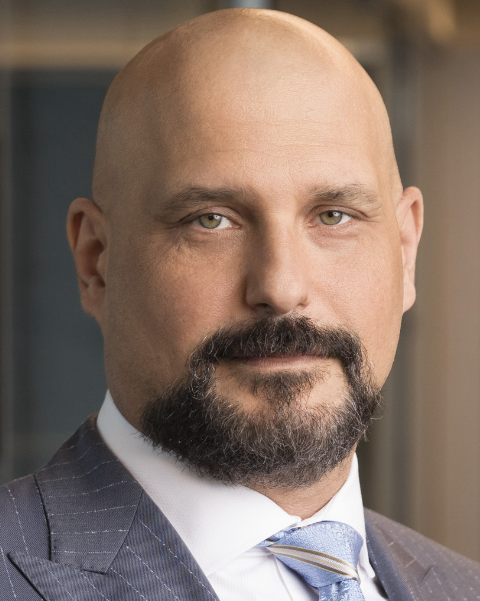
Moheeb Murray
Gone But Not Forgotten: Defending Former-Employee Depositions
When an employee leaves a company, the protections defense counsel rely on for depositions largely evaporate, leaving the company exposed to what that employee may say as a witness under oath. This presentation will examine the rules governing opposing counsel’s contact with former employees, privilege and conflict-of-interest challenges, and practical strategies for preparing and defending these potentially high-risk depositions.

Katie Reilly
Panel Discussion – Think Like a Plaintiff: Corporate Recovery Through Affirmative Litigation
Companies often focus on defending claims, but affirmative litigation can be a powerful tool for recovering losses and advancing business objectives. This panel will examine how legal departments can identify recovery opportunities, build scalable affirmative-litigation programs, and partner with business leaders and outside counsel to maximize value.
Panelists

Andy Haimovici Albertsons

Marcy Heronimus GTT Communications

Morgan Jackson Uber
Refeshment Break

Vince Levy
Funded, Taxed, or Banned: Litigation Finance Under Fire
Third-party litigation funding has gone mainstream, with major law firms and corporate plaintiffs alike using it routinely and strategically—but accelerating legislative backlash could reshape the industry. This presentation will examine proposed state bans and federal tax measures, the competing interests driving the debate, and what the evolving landscape could mean for litigants, funders, and law firms.
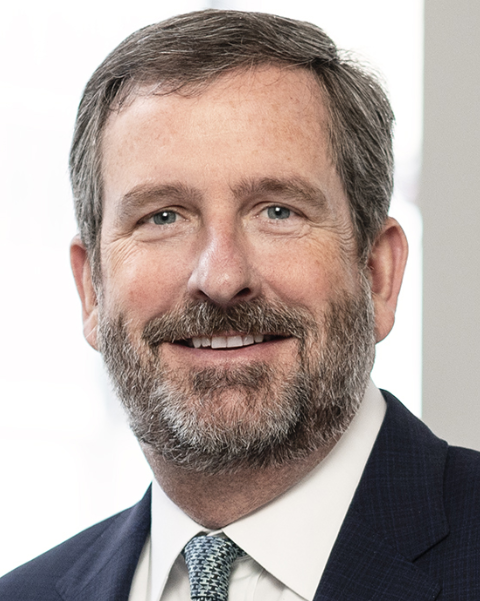
Lee Hollis
Telematics: Blessing or Curse?
More and more companies are installing telematics systems to track company vehicles, but the same technology that can prove a driver did nothing wrong can also be used as powerful evidence of liability. In this session, Lee Hollis will draw on his experience defending telematics cases to explore the technology’s capabilities, benefits, and pitfalls, as well as legal implications companies should consider before implementation.
Gather Lunch for Working-Lunch Breakout Sessions

Michelle Byers
Breakout A – From Cost Center to Revenue Generator: Strategies for In-House Legal Departments
In-house legal departments play a vital role in any business but are increasingly expected to demonstrate the value they create for the business, in addition to providing high-quality legal services. This breakout will explore practical strategies for transforming a legal department from a cost center to a valuable revenue generator that contributes to a business’s success beyond the courtroom.
Discussion Leaders

Jason Dymbort First Solar

Stephanie Laws Maslon

Rich Sedory Wastequip

Tiffanee Wade-Henderson International Paper
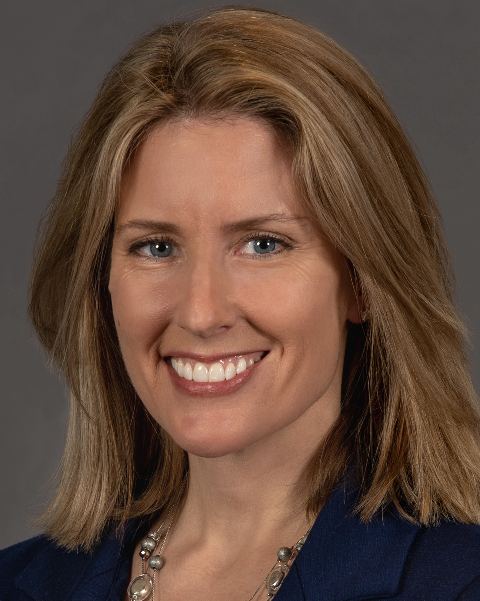
Nikki Nesbitt
Breakout B – Always Happy to Accommodate? Navigating New and Novel Employee Accommodation Requests
Requests to work from home, modify office space, or utilize alternative schedules remain common under the ADA and FMLA, but more novel requests—like those for alternative communication and supervision styles, exemptions from key performance metrics, and “micro-leaves”—challenge employers to balance individual needs with legitimate business requirements. This breakout will explore how employers can respond fairly and consistently to employee requests while applying undue-hardship principles.
Discussion Leaders

Bruce Batista Sherwin-Williams

Todd Penney Crown Equipment

Kelly Theard Deutsch Kerrigan
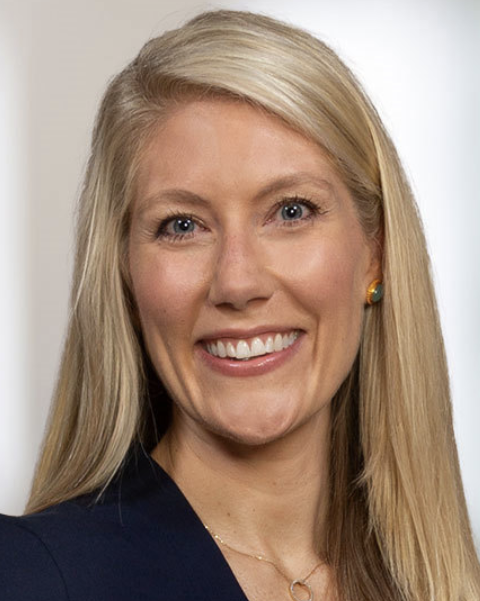
Mary Katherine Stukes
Breakout C – Risk Transfer in Action: The Canton Mill Story
The Canton Mill project in North Carolina proved that even a carefully structured risk-transfer transaction can take unexpected turns that lead to litigation—and still become a resilient community asset. Using the project as a case study, this breakout will explore the critical role of insurance, regulatory complexities involved in historic operations, and the role of public investment in redevelopment projects.
Discussion Leaders

Eric Spirtas Spirtas Worldwide

Tom Swartz Spirtas Worldwide
Afternoon Recreation (Departing at 1:30p) - Lagoon Watersports, Deep Sea Fishing, E-Bike Tour, Pickleball, Wine & Watercolor, Spa, and Pool
Buses Board for Dinner (Last Bus Departs at 5:50p)
Cocktail Reception and Dinner at Amalfi Cucina Italiana
Hospitality Suite in Top Golf / Command Post
Saturday, November 7, 2026
Breakfast and Registration in the Grand Foyer
Welcome Back from the Symposium Chairs

Tony Rospert
Buc-ee’s on Trial: Lessons from the Beaver
The best trial themes do what the best brands have done for decades: tell a memorable story, create an emotional connection, and reinforce a message through repetition. Using Buc-ee’s—the “Disney of gas stations”—as a case study, this presentation will break down the success of the company in and outside of the courtroom, including the parallels between brand marketing and trial advocacy, and identify practical ways for lawyers to develop more compelling trial themes.
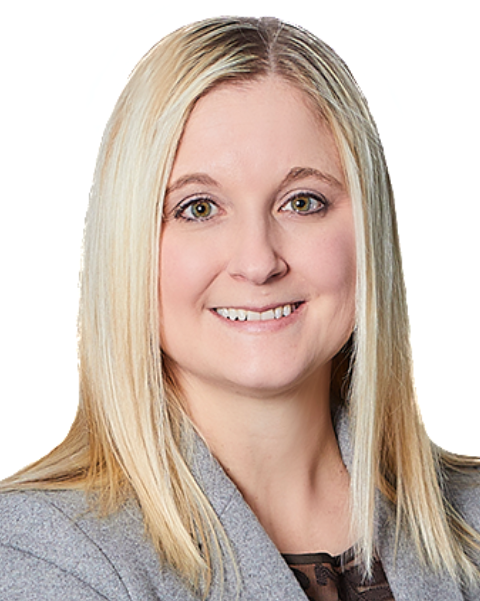
Katrina Smeltzer
Ethical Discovery Minefields: AI, Hyperlinks, Cell Phones, and More
The evidence lawyers need to preserve and produce is changing rapidly, creating new ethical challenges. This presentation will explore emerging discovery issues, including the newly proposed FRE 707, discovery of AI prompts, hyperlinked content, employee cell phones, and instant messaging, with particular attention on in-house counsel’s obligations to preserve this evidence.

Adam Stephens
Litigating Commercial Disputes in an Era of Geopolitical Risk
Tariffs, sanctions, export controls, and geopolitical instability are increasingly disrupting contracts, supply chains, financing, and investment decisions, cultivating fertile ground for commercial disputes. This presentation will examine the types of litigation that may result from these developments and how various doctrines may apply, with a focus on causation, forum selection, expert evidence, mitigation, and damages.

Andrea Christman
Panel – It Ends With Us: When Crisis PR Is the Crisis
In high-profile litigation, the battle is often fought both in the courtroom and in the court of public opinion. Using Lively v. Baldoni as a case study, this interactive panel will examine what can happen when those two strategies collide. From communications with PR professionals and efforts to influence public perception to discovery, evidentiary, and ethical concerns, panelists will explore the risks lawyers and clients should consider when managing a public-facing dispute—and how counsel can work effectively with crisis communications professionals without creating new problems for the case.
Panelists

Mary Clift Abdalla Forman Watkins & Krutz

Nikki Nesbitt Goodell DeVries Leech & Dann
Kelly Theard Deutsch Kerrigan
Refreshment Break

Kerri Wright
Death by a Thousand Cuts: Navigating Modern Layoffs
Workforce reductions have become increasingly complex as employers navigate a patchwork of state and federal requirements. This presentation will examine the explosive growth of state “mini-WARN” Acts, how they diverge from federal requirements, the resulting litigation opportunities and defense landmines, and practical tools to minimize litigation risk during a reduction in force.

Todd Williams
Betting on Preemption: Prediction Market Wars May Become Your Company’s Problem
Prediction markets have exploded into a multibillion-dollar industry operating in a legal gray zone, with federal courts split over whether event contracts are federally regulated derivatives or state-regulated gambling—a question heading toward the Supreme Court. This session will examine the evolving landscape and its practical implications for in-house counsel, including state compliance, insider-trading policies, and the emerging threat of consumer class actions.

Alan Gries
Special Presentation by The Trial Network Vice Chair
Joshua Metcalf
Closing Argument by The Trial Network Chair
Gather Lunch for Working-Lunch Breakout Sessions

Priyanka Timblo
Breakout A – Asymmetric Commercial Litigation: Why Large Companies Lose, and How to Avoid It
Why do sophisticated companies sometimes lose high-stakes commercial disputes against much smaller adversaries, despite superior resources, experienced executives, and strong legal teams? Drawing on recent trials involving Boeing and Walmart, this breakout will identify common mistakes in case assessment, witness preparation, trial themes, and jury communication, and consider strategies for addressing those risks before they become unfavorable verdicts.
Discussion Leaders

Scott Danner Holwell Shuster & Goldberg

Josiah Drew Auto Club (AAA)

Amy Sorenson Snell & Wilmer
Juan Ramirez
Breakout B – When AI Goes In-House: How Artificial Intelligence Is Redefining the Lawyer-Client Relationship
Many clients are rapidly adopting artificial intelligence tools, redefining the practice of law and changing the way in-house and outside counsel interact. This breakout will explore how in-house teams are using AI, its impact on client expectations, and what law firms need to do to remain effective and valuable partners.
Discussion Leaders

Shane Bohnen Bio-Techne

Jeff Dunn Sandberg Phoenix
Marcy Heronimus GTT Communications

John Kokkinen UnitedHealth Group

Maria Marinakis
Breakout C – Under Pressure: The Science Behind Better Trial Outcomes
Every critical litigation decision—from case strategy and settlement to witness preparation and jury persuasion—is made under pressure, which fundamentally changes how we process information. Blending behavioral science, courtroom experience, and trial examples, this engaging breakout will reveal the impact of stress on attention, certainty, and judgment, while providing practical strategies attorneys can implement to improve communication, decision-making, and trial outcomes.
Discussion Leaders

Roman Lifson Christian & Barton

Marianne Plant Goodell DeVries Leech & Dann

Peter Querubin Toyota North America

Jillian Yeargin Verdict Insight Partners